Washington State Sweepstakes Casino Laws: Why WA Is Banned
 Available in US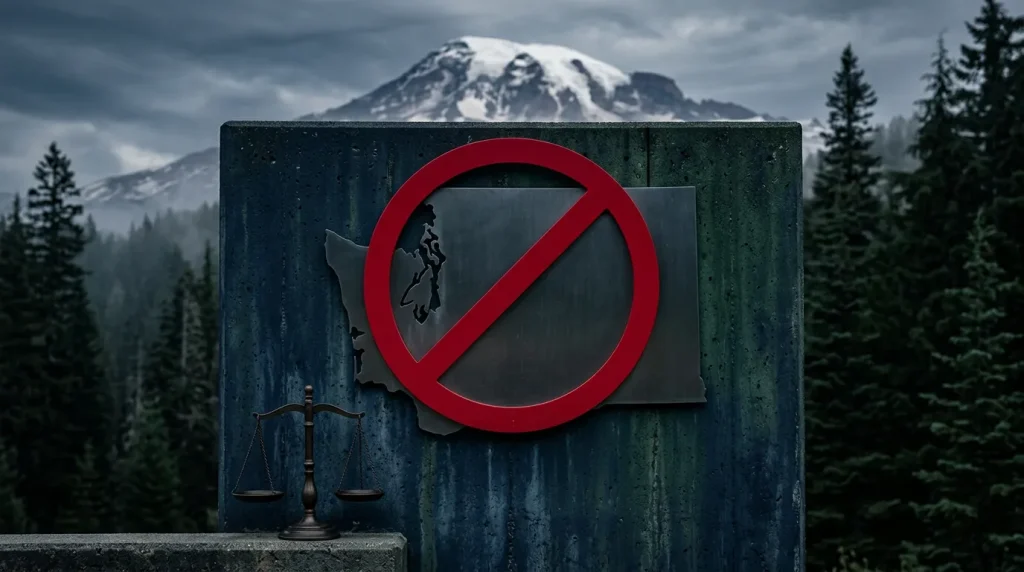
Contents
Washington state has some of the strictest gambling laws in the nation. Long before sweepstakes casinos became a national phenomenon, Washington had established legal frameworks that make most forms of online gambling a felony offense. This history explains why sweepstakes casinos face unique obstacles in the Evergreen State.
The state’s approach differs from other restrictive jurisdictions. Where California and New York passed new legislation specifically targeting sweepstakes casinos, Washington’s existing laws already prohibited the activity. This preexisting hostility to online gambling created an enforcement environment that sweepstakes operators recognized from the start.
For Washington residents interested in sweepstakes casinos, the legal landscape offers no viable path forward. Unlike states where bans are recent and enforcement uncertain, Washington has decades of consistent policy and demonstrated willingness to pursue violators. The stakes include felony charges—consequences far exceeding any entertainment value.
This guide explains Washington’s gambling law history, why sweepstakes casinos cannot claim exemptions available elsewhere, what the High 5 Games verdict means for enforcement, and what alternatives exist for Washington residents. Understanding these strict state rules helps set appropriate expectations and avoid serious legal exposure.
WA Gambling Law History
Washington’s gambling restrictions date back decades and reflect deliberate policy choices rather than outdated statutes. The state has consistently chosen to limit gambling to specific, heavily regulated venues while prohibiting most forms of remote or online wagering. This isn’t legislative inertia—it’s active policy maintained through multiple legislative sessions.
The Revised Code of Washington classifies online gambling as a Class C felony, carrying potential penalties of up to five years imprisonment and $10,000 fines. This classification applies to both operators and, notably, to individual players. Few other states criminalize player participation at felony levels, making Washington an outlier in the severity of potential consequences.
Tribal gaming operates under federal compacts that authorize casinos on tribal lands throughout the state. These facilities provide regulated gambling options but exist as exceptions to Washington’s general prohibition rather than examples of permissive policy. The state’s relationship with tribal gaming interests shapes regulatory approaches to potential competitors. Tribal casinos have invested significantly in Washington’s gaming infrastructure, creating stakeholders aligned with maintaining restrictions on alternative gambling formats.
The Washington State Gambling Commission enforces these laws actively. Unlike states where gambling prohibitions exist on paper but rarely face enforcement, Washington regulators pursue violators and have demonstrated willingness to take action against online gambling operators. The Commission maintains dedicated resources for investigating gambling violations and has a track record of successful prosecutions.
This enforcement posture predates sweepstakes casinos by years. When these platforms emerged nationally, Washington’s regulatory infrastructure was already positioned to treat them as illegal gambling operations rather than novel promotions deserving fresh analysis. The state didn’t need new laws—existing statutes already covered the activity.
Why Sweepstakes Are Banned
Washington does not recognize the sweepstakes exemption that allows these platforms to operate elsewhere. The legal theory that separates sweepstakes from gambling—the “no purchase necessary” alternative method of entry—fails to satisfy Washington’s statutory requirements.
State regulators and courts have determined that the practical reality of sweepstakes casinos constitutes gambling regardless of technical compliance with sweepstakes promotion law. The presence of cash redemption for prizes, combined with gameplay that mirrors traditional slot machines, triggers gambling classifications under Washington law.
The position echoes criticism from gaming regulators nationally. As Brian O’Dwyer, Chairman of the New York State Gaming Commission, stated: “These so-called ‘sweepstakes’ games are unscrupulous, unsecure and unlawful.” Washington reached similar conclusions through its own legal analysis before other states took enforcement action.
Attempts to distinguish sweepstakes casinos from gambling have failed to gain traction in Washington. The state’s broad definition of gambling captures activities where prizes of value are available based on chance, regardless of whether participants must pay to play. The free entry mechanism doesn’t create an exemption under this interpretation.
This legal position means sweepstakes casinos face the same classification as clearly illegal gambling operations. Operators cannot claim the quasi-legal status they enjoy in more permissive states, and Washington enforcement treats them accordingly.
High 5 Games Verdict
The High 5 Games verdict demonstrated Washington’s legal framework in action. A federal jury ordered High 5 Games to pay $24.9 million in damages to Washington players in February 2026—the first-ever class action verdict against an online social casino operator.
The case stemmed from their social casino operations that state courts determined constituted illegal gambling under Washington law. The verdict included nearly $18 million in direct damages plus $7 million in statutory damages.
The verdict included requirements that High 5 Games block Washington residents from accessing their platforms. These compliance measures have been replicated by other operators seeking to avoid similar legal outcomes.
For players, the verdict signals that Washington enforcement is not merely theoretical. Real companies have paid real penalties for serving Washington residents. This history informs decisions by other sweepstakes casinos to proactively block Washington access rather than risk becoming the next legal target.
The size of the verdict also matters. A $24.9 million penalty demonstrates that Washington courts view social and sweepstakes casinos as serious violations worthy of substantial consequences. Smaller operators might be deterred entirely, while larger platforms must calculate whether potential Washington revenue justifies the legal exposure.
Alternatives for WA Players
Washington residents seeking gaming entertainment have limited but legitimate options within state law. Understanding what’s available helps players find legal alternatives rather than risking felony exposure through prohibited platforms.
Tribal casinos operate throughout Washington under federal compacts. Facilities like Tulalip Resort Casino, Snoqualmie Casino, and Muckleshoot Casino offer full gaming experiences including slots, table games, and poker. The in-person requirement differs from online play, but the gaming itself is legally available. Washington has over two dozen tribal casinos distributed across the state, making access feasible for most residents willing to travel.
The Washington State Lottery provides legal gaming through draw games, scratchers, and keno. While the experience differs from casino gaming, lottery products represent regulated, legal entertainment available to all Washington adults. Lottery ticket purchases can be made at thousands of retail locations statewide, offering convenient access to legal gaming products.
Daily fantasy sports occupy a contested legal position in Washington. Major platforms like DraftKings and FanDuel have offered DFS in the state, though the legal status has faced challenges. Players interested in DFS should verify current availability and legal status before participating. The distinction between fantasy sports and gambling remains subject to ongoing legal debate in Washington.
Horse racing and pari-mutuel wagering remain legal through licensed facilities and advance deposit wagering platforms. Washington’s Emerald Downs hosts live racing, and licensed online platforms allow betting on races from home. This represents one area where remote wagering is permitted under state law.
Social casinos without cash redemption face less legal exposure, though Washington’s broad gambling definitions create uncertainty even for purely entertainment-focused platforms. The safest approach involves platforms that clearly cannot produce prizes of value under any circumstances. Even then, players should understand that Washington’s aggressive enforcement posture means legal risk exists for activities that other states tolerate without question. The nationwide status is on the legal states map.
Living with Washington’s Restrictions
Washington’s sweepstakes casino restrictions reflect longstanding policy rather than reactive legislation. The state’s gambling laws classify online gambling as a felony for both operators and players—a position maintained through deliberate choice over decades. The High 5 Games verdict proved these laws carry real consequences, with a $24.9 million jury award establishing that Washington enforcement is serious.
Strict state rules mean sweepstakes casinos are genuinely unavailable to Washington residents. Tribal casinos, state lottery, and potentially daily fantasy sports provide legal alternatives. Players seeking to gamble online from Washington face felony exposure that no entertainment value justifies. The responsible choice is accepting the legal reality and finding alternatives within it. The wider context is in our sweepstakes casino slots guide.